

SILK Bicycle Factory
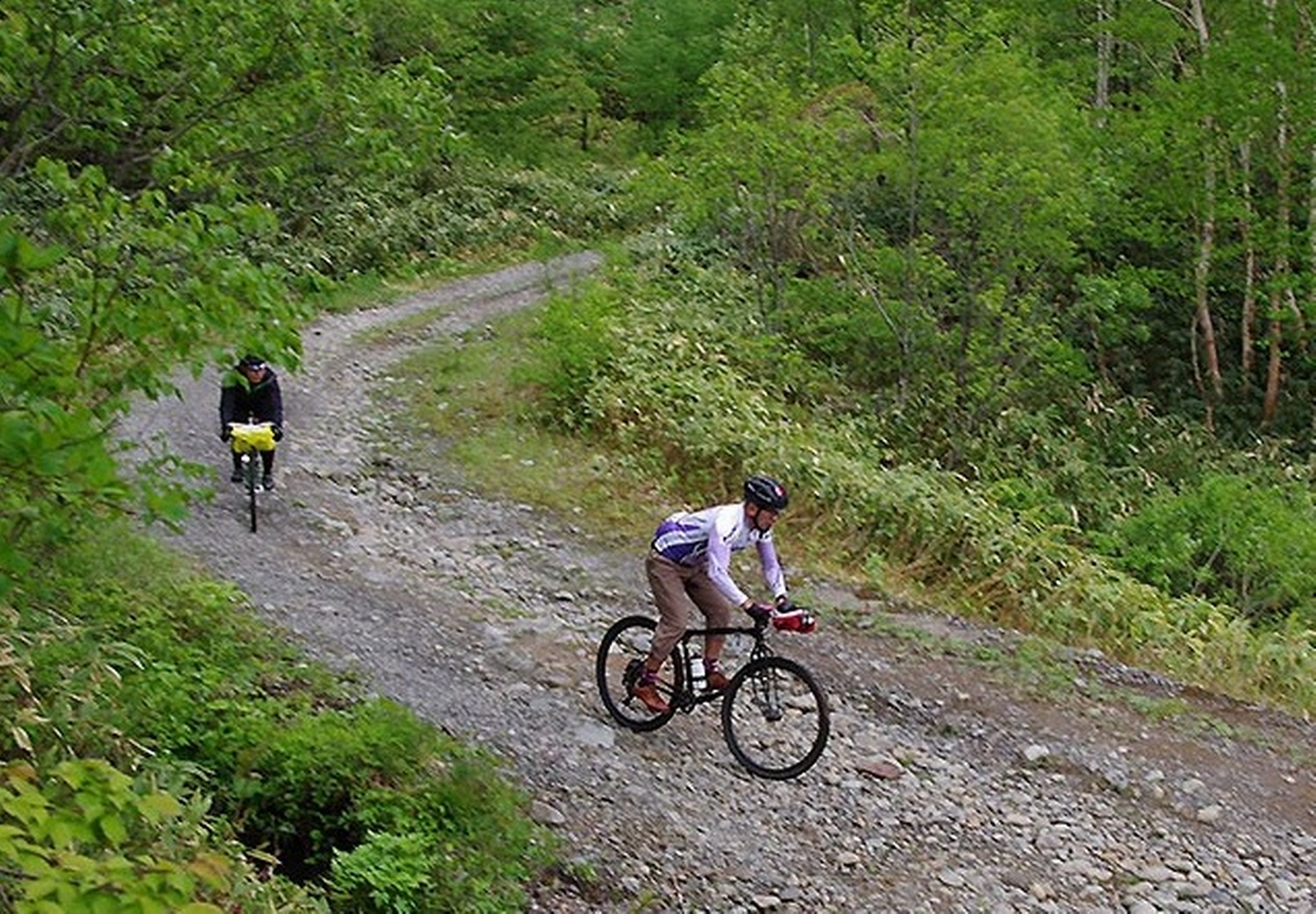
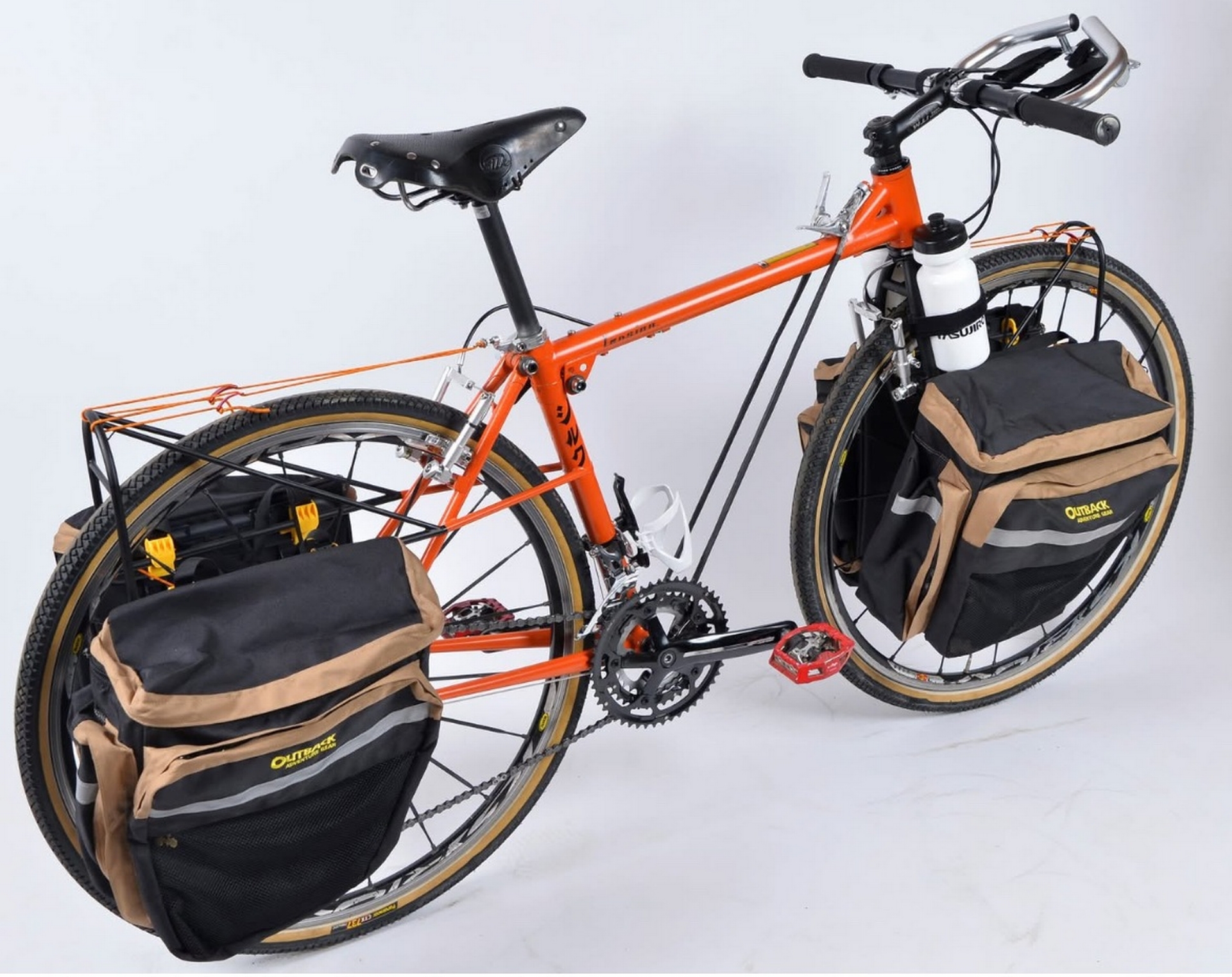
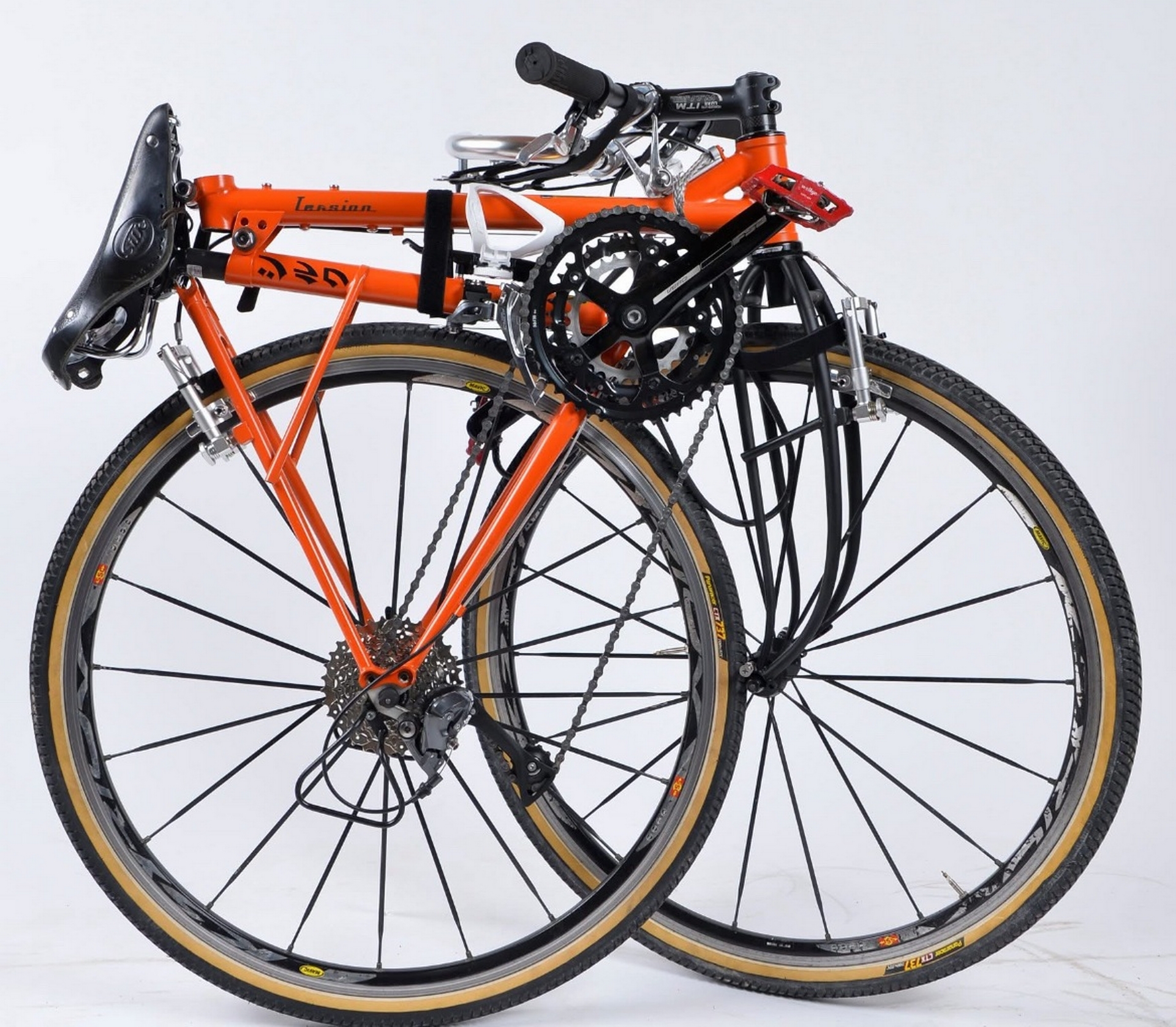
Its history dates back to 1872, when Katakura, the operator of Tomioka Silk Mill, Japan's first silk weaving factory, began manufacturing bicycles as a peacetime industry after World War II, establishing Katakura SILK Bicycles. They manufactured the world's first mass-produced small-wheel folding bike, Porta SILK. They also manufactured bicycles for keirin racing, which were used at the 1956 Melbourne, 1960 Rome, and 1964 Tokyo Olympics and World Championships. "Rinko" (Rinko) - A method of transporting keirin racers by disassembling their bicycles, covering them with cloth, and traveling by train. In 1970, they opened this method to the general public, contributing to the culture of regional train touring. Today, as SILK cycles, they produce bicycles incorporating these traditional techniques and ideas. *"Search of truth. More than DIAMOND Frame." The World of Tension SILK At SILK, we believe that full-size wheels are optimal for optimal riding performance. After examining the history of bicycles, we decided that a cable-stayed frame is ideal, rather than the diamond frame commonly seen today. Tension SILK's cable-stayed down tube uses Dyneema, the world's strongest fiber. The folding frame is secured by the seat pillar, and when the seat pillar is removed, the frame rotates downwards for instant folding. After folding, it is highly compact and portable. It is lightweight and strong. While this design may seem unusual in today's world where diamond frames are so common, SILK believes it represents the true design of the bicycle.
We will publish the exact stand location here shortly before the show.

Mehr Informationen unter:
silkcycle.com/
Note:
You are on the CYCLINGWORLD EUROPE website - Europe's exhibition for the finest cycling culture. This is not a shop and we do not sell anything you see here. If you are interested in our exhibitors' products, please contact them directly.